Boston visitor guide
From Colonial Streets to Modern Skyscrapers: How Boston’s Layout Shapes Event Travel
Boston rewards a little planning. Its oldest streets, planned Back Bay blocks, river crossings, and MBTA links can make the same trip feel easy in one case and awkward in another. If you are getting around Boston for events, start by matching your venue to the right station, the right side of downtown, and the right final address instead of relying on the skyline alone.
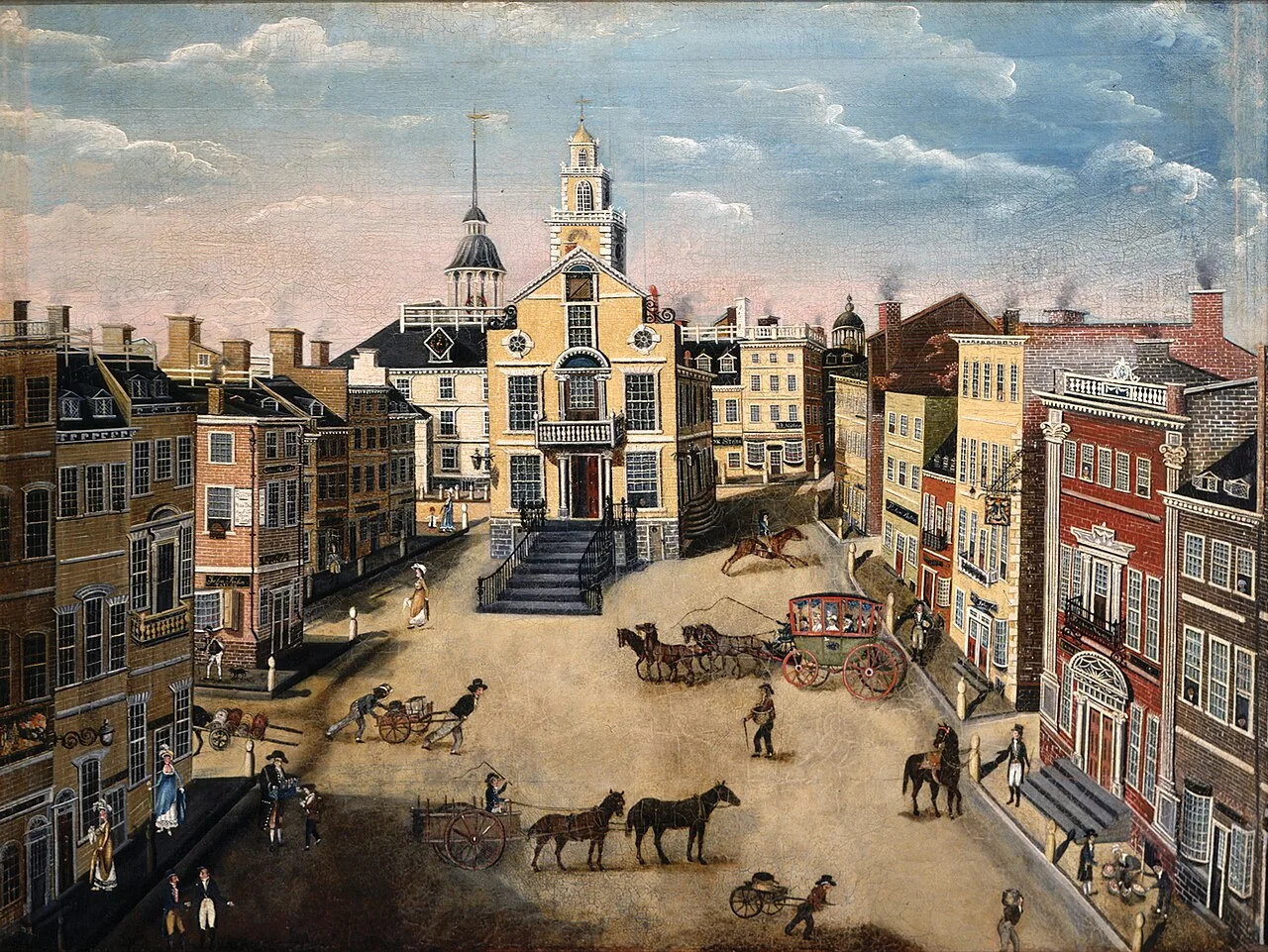
For getting around Boston for events, use the city’s street pattern to your advantage: older downtown streets are irregular, Back Bay is more grid-like, and river crossings matter. For central trips, walking and transit usually work well, while driving is better only when you have a specific parking plan and a final venue door in hand.
Browse Boston local guides →Colonial street patterns and historic State Street
Boston’s oldest core still shapes event travel today. The Freedom Trail sites around Boston Common, the Old State House, and State Street show an older street network rather than a neat grid. That is why downtown routes can feel indirect even when a venue looks close on a map. The pattern is historic, not random, and it is different from modern planned neighborhoods.
When you are orienting yourself, landmarks help more than assumptions. The Old State House, Faneuil Hall, and nearby historic sites give you reference points, but they do not always mark the easiest entry door. If you are meeting someone or heading to a show, use the venue’s actual street address and entrance details, not just the building you see from afar. For a deeper sense of that older core, a Freedom Trail itinerary can help you place venues against the city’s historic layout.
Modern Back Bay grid and towers
Back Bay works differently from downtown Boston. It was planned, filled land, and its street pattern is much more regular. That makes it easier to read when you are heading to places like Symphony Hall or nearby Back Bay destinations. You can often use the block pattern to judge direction more quickly than you can in the older street network.
The neighborhood also changes how you experience the skyline. Tall buildings such as 200 Clarendon, formerly the John Hancock Tower may stand out, but a visible tower is not always the closest or best entrance for your event. Back Bay sits beside the Charles River, Downtown, and the Public Garden, so it can feel central while still requiring a careful look at the exact street. If you are pairing a concert with dinner or a walk, Newbury Street is one of the clearest planning anchors in the area.
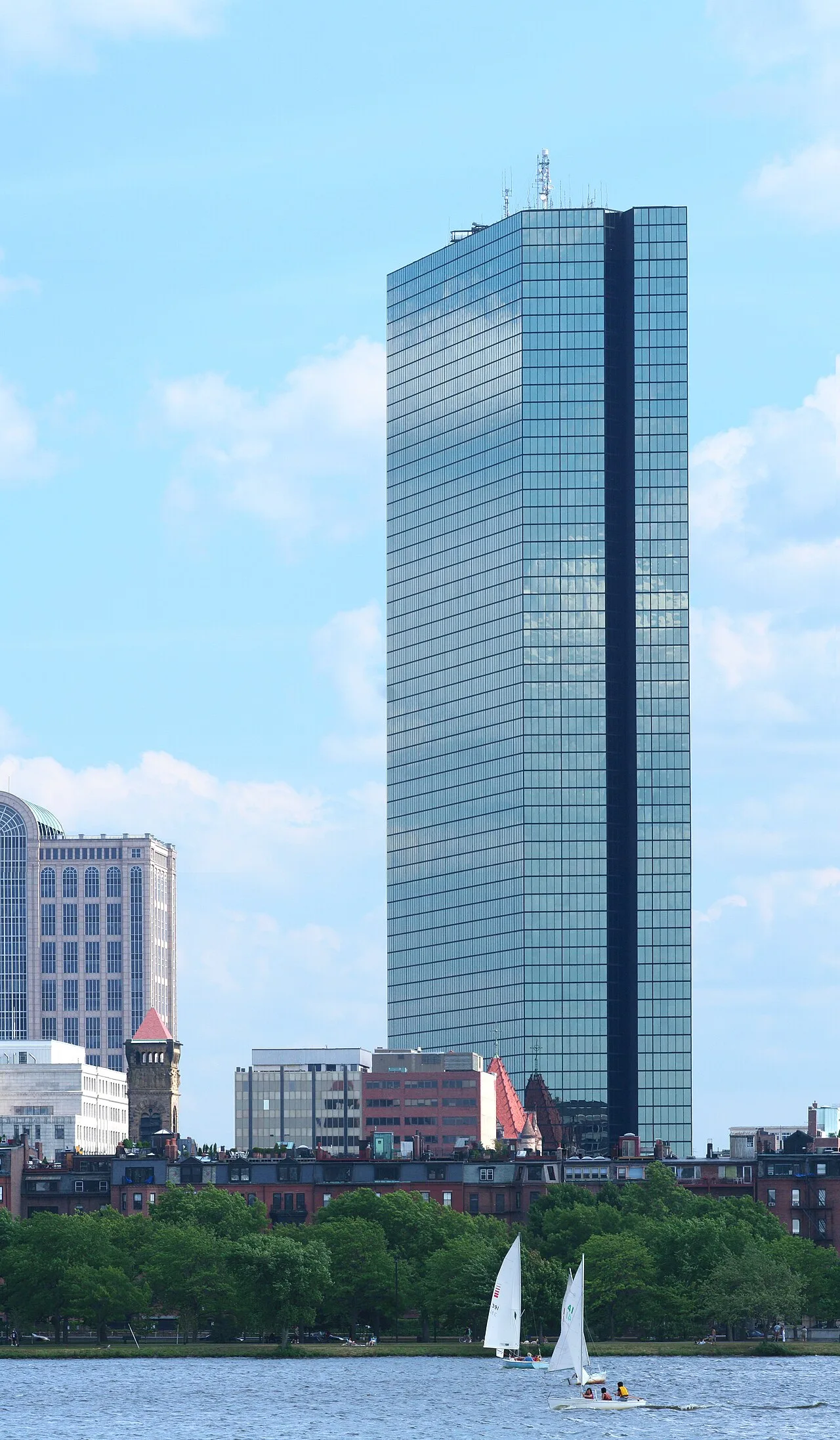
How geography affects walking and driving
Boston’s geography changes trip choices more than many visitors expect. The Charles River and its limited bridge crossings shape routes between Boston and Cambridge, so a trip that looks short on a map may take a more specific path than you first expect. That matters if your hotel, dinner, and event are split across the river.
For central event travel, rental cars are usually not necessary if you are staying in Boston proper and using walk or transit routes. But the choice changes if you are going farther out or combining several stops. Old downtown streets can be awkward for quick driving, while Back Bay and river-adjacent areas give you more predictable blocks. For outdoor time before an event, the Esplanade also shows how pedestrian bridges, not street crossings, shape movement along the Charles. If you want a walking-heavy plan, keep your route simple and avoid assuming every street line is equally direct.
MBTA connections and event-night congestion
MBTA planning matters because the best station for your event is not always the one that looks nearest on a map. At TD Garden, North Station is the key connection. At Fenway Park, the Red Sox recommend transit where possible and note options such as Green Line service and Lansdowne commuter rail. At Symphony Hall, Massachusetts Avenue on the Orange Line and Prudential or Northeastern University on the Green E can be relevant when Symphony station is closed, so checking current alerts before you leave is smart.
Event nights can also change how long a simple move takes. Crowds, alerts, and service conditions vary by date, so it is better to think in terms of a buffer than a fixed rule. For accessible travel, the MBTA’s system-wide accessibility resources can help, but the shortest route on paper may not be the best one if a station elevator or transfer does not fit your needs. Our guide to Boston’s academic and event seasons can help if your dates overlap campus move-in or graduation traffic.
Practical route planning and accessibility
The best route plan starts with the venue door, not the city name. TD Garden uses 100 Legends Way as its main address, but garage ramps are at 121 Nashua Street and 140 Causeway Street. Fenway Park is at 4 Jersey Street, yet gate and parking choices depend on how you arrive. Symphony Hall’s main address is 301 Massachusetts Avenue, while the Cohen Wing entrance at 251 Huntington Avenue is the recommended accessible arrival point. Those details matter when you are arriving with friends, using rideshare, or trying to avoid confusion at the curb.
Accessibility planning should also stay specific. Not every station or entrance is equally easy, and not every route is step-free. Boston venues and the MBTA both point visitors toward particular elevators, ramps, and accessible entries, but you should still check the exact path that matches your ticket and mobility needs. At TD Garden, Fenway Park, and Symphony Hall, small details like the correct gate or wing entrance can make the whole trip smoother than choosing the “closest” street on a map.
Before you head out
Questions, answered
Is Boston easy to walk?
Yes, many central event trips are walkable, especially in Back Bay and parts of downtown. The catch is that older streets do not always run in straight lines, so a short-looking route may feel indirect. For the easiest walk, use the venue’s exact address and entrance instead of relying on the skyline or a nearby landmark. Details ↗
Do I need a rental car?
Usually no for a central Boston event trip. Walking and transit are often simpler than driving through older downtown streets or paying for parking. A car can still make sense if you are going beyond the core city or have several distant stops, but it is not the default choice for TD Garden, Fenway Park, or Symphony Hall. Details ↗
Why are downtown streets irregular?
Boston’s oldest core grew from a colonial street network, so downtown roads do not follow a modern grid. Historic sites such as the Old State House and State Street reflect that pattern. That is why a map can look confusing even when the buildings themselves are close together. Details ↗
How do I avoid event traffic?
Plan around the venue door and use transit when it fits your trip. Traffic and crowd conditions change by date, so leave extra time and choose a parking or station option that matches your direction of approach. For many events, arriving by MBTA is simpler than dealing with downtown congestion. Details ↗
Where can I check transit changes?
Check MBTA alerts and accessibility resources before you leave, especially if your route depends on a particular station or elevator. That is especially useful for event nights and for trips that involve transfers, closures, or accessible routing needs. Venue pages can also point you to the best station for that specific event. Details ↗
Sources & References
Event details and visitor information checked 2026-11-28. Check the venue's current guidance before you travel.
- TD Garden visitor information ↗
- TD Garden: Accessibility ↗
- TD Garden: Policies ↗
- TD Garden: Directions and parking ↗
- Fenway Park visitor information ↗
- Fenway Park Policies and Procedures | Boston Red Sox ↗
- Ticket Policies | Boston Red Sox ↗
- How to Get to Fenway Park | Boston Red Sox ↗
- Symphony Hall visitor information ↗
- BSO | About Symphony Hall ↗
- Trail Sites | The Freedom Trail ↗
- Boston Planning: Back Bay ↗
- Map & Directions - The Esplanade Association ↗
- Accessibility on the MBTA | MBTA ↗
- The Huntington: directions and parking ↗